
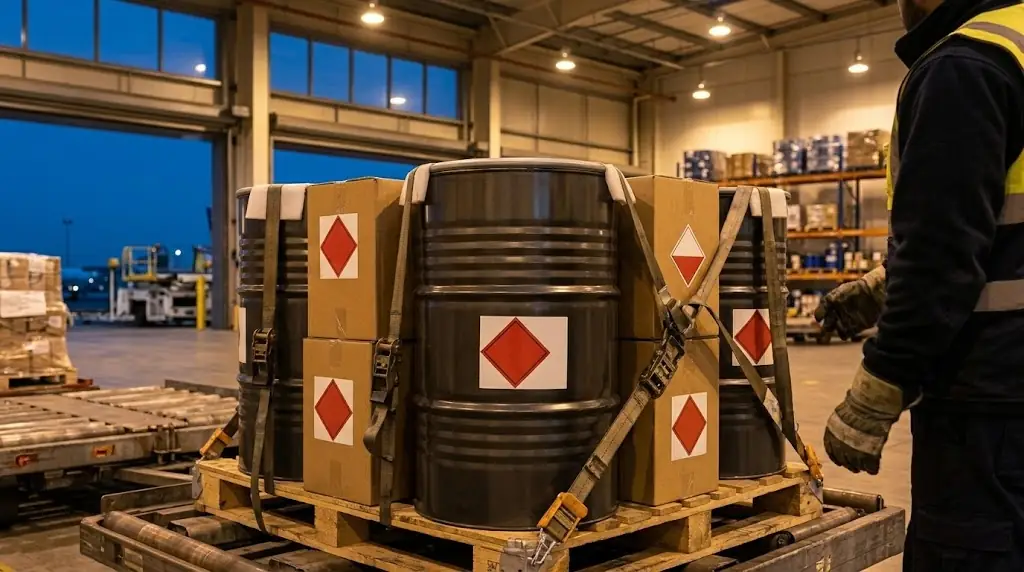
Dangerous goods handling and shipping in Dubai, UAEHazardous cargo, handled by the rules.
Airlift Logistics is a dangerous goods shipping company and DG freight forwarder in Dubai, UAE. We handle hazardous cargo through classification checks, packaging compliance, safety data sheets (SDS or MSDS), Shipper's Declarations and carrier approval, under the IATA Dangerous Goods Regulations for air cargo. Common shipments include perfume, paint and lithium batteries.
Dangerous goods shipping, in numbers
The rule editions and classifications behind every hazardous shipment.
- 9Handled from documents to carrier approval.
- 67thIn effect from 1 January 2026.
- 42-24Mandatory from 1 January 2026.
- 14UN number, class, packing group.
- Service
- Certified dangerous goods forwarding and handling in Dubai, UAE
- Covers
- Classification checks, MSDS, Shipper's Declaration, packaging, carrier approval
- Classes
- All 9 UN classes, including lithium batteries, perfume and paint
- Air rules
- IATA DGR 67th edition; GCAA CAR Part VI in the UAE
- Sea rules
- IMDG Code Amendment 42-24
- Other authorities
- FANR for radioactive material; RTA, SIRA and Civil Defence for Dubai roads
What are dangerous goods?
Dangerous goods are articles or substances that can pose a hazard to health, safety, property or the environment during transport. They are listed or classified under transport regulations. You may also see them called DG cargo, hazardous cargo or hazmat.
Everyday products can qualify. Perfume, paint, aerosols, lithium batteries and some cleaning chemicals are all regulated when they are shipped.
How to check if your goods are hazardous
Common hazardous products and their UN numbers
Type a product or UN number to see its usual classification. These are common examples, so always confirm against your own safety data sheet.
| Product | UN number | Class | Main hazard |
|---|---|---|---|
| Perfumery products | UN1266 | 3 | Flammable liquid |
| Paint | UN1263 | 3 | Flammable liquid |
| Adhesives | UN1133 | 3 | Flammable liquid |
| Ethanol solutions | UN1170 | 3 | Flammable liquid |
| Aerosols | UN1950 | 2 | Gas, flammable or non-flammable |
| Fire extinguishers | UN1044 | 2.2 | Non-flammable gas |
| Carbon dioxide, compressed | UN1013 | 2.2 | Non-flammable gas |
| Propane | UN1978 | 2.1 | Flammable gas |
| Lithium ion batteries, shipped alone | UN3480 | 9 | Fire risk, miscellaneous |
| Lithium ion batteries, with or in equipment | UN3481 | 9 | Fire risk, miscellaneous |
| Lithium metal batteries, shipped alone | UN3090 | 9 | Fire risk, miscellaneous |
| Lithium metal batteries, with or in equipment | UN3091 | 9 | Fire risk, miscellaneous |
| Wet batteries filled with acid | UN2794 | 8 | Corrosive |
| Dry ice (carbon dioxide, solid) | UN1845 | 9 | Cold, displaces oxygen |
| Magnetised material | UN2807 | 9 | Magnetic field |
| Hydrochloric acid | UN1789 | 8 | Corrosive |
| Sodium hydroxide solution | UN1824 | 8 | Corrosive |
| Hydrogen peroxide solutions | UN2014 | 5.1 | Oxidiser |
| Ammonium nitrate | UN1942 | 5.1 | Oxidiser |
| Safety matches | UN1944 | 4.1 | Flammable solid |
| Activated carbon | UN1362 | 4.2 | Spontaneously combustible |
| Calcium carbide | UN1402 | 4.3 | Dangerous when wet |
| Biological substance, Category B | UN3373 | 6.2 | Infectious |
| Clinical waste | UN3291 | 6.2 | Infectious |
| Fireworks | UN0336 | 1.4 | Explosive |
| Radioactive material, excepted package | UN2910 | 7 | Radioactive |
The 9 classes of dangerous goods
The class decides the packaging, labels, documents and which carriers will accept your shipment. Open a class for its divisions, UN numbers and limits.
- 1
- 2
- 3
- 4
- 5
- 6
- 7
- 8
- 9
Not sure if your cargo is hazardous?
Send the safety data sheet, and we will check the class, packing and carrier options.
How we ship hazardous cargo, step by step
All order information is verified before shipment, and our team takes care of the documentation. Open a step for what it involves.
You send an SDS for each product, with quantities and route.
You send: one SDS per productWe check the UN number, class and packing group.
We check: UN number and classWe check packaging, marks and hazard labels against the rules.
We check: packaging and labelsThe Shipper's Declaration is prepared and checked against the SDS.
We prepare: the DG declarationWe confirm a carrier that accepts your cargo on your route.
We confirm: an accepting carrier
Dangerous goods rules by air, sea and road
Each transport mode has its own rulebook, so the same product can have different limits. Air freight is our core dangerous goods service, so ask us about sea and road.
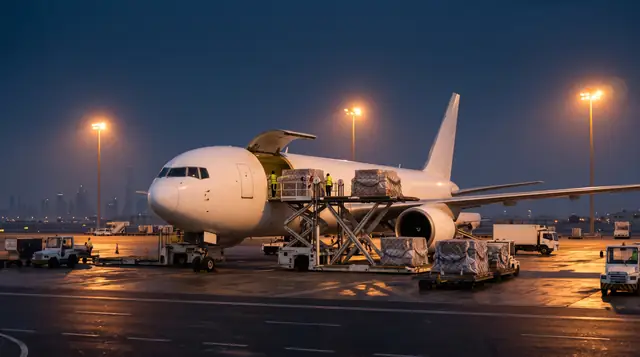 AIRDG air cargo |
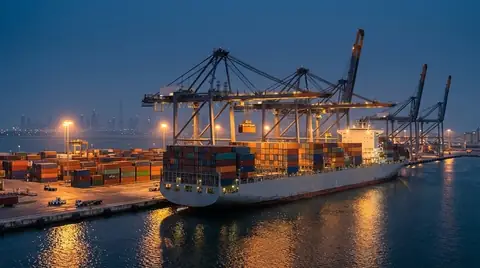 SEADG sea freight |
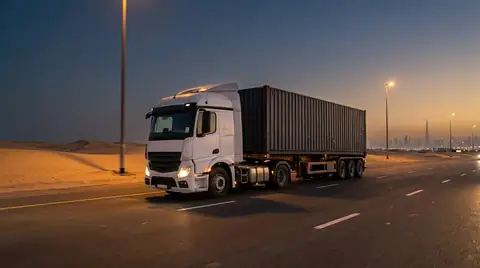 ROADDG road transport |
|
|---|---|---|---|
| Main rules | IATA Dangerous Goods Regulations (DGR), 67th edition, 2026 | IMDG Code, Amendment 42-24, mandatory from 1 January 2026 | UAE and emirate-level hazardous materials rules |
| Authority | GCAA in the UAE, under CAR Part VI | International Maritime Organization (IMO), with port and shipping line approval | In Dubai: RTA, SIRA and Civil Defence |
| Key document | Shipper's Declaration for Dangerous Goods | Dangerous goods declaration and container packing certificate | Hazardous materials transport permit |
| Limits | Passenger aircraft, or cargo aircraft only (CAO) | Stowage and segregation on the ship | Vehicle, route and driver requirements |
| With Airlift | Core service | Ask us about your cargo | Ask us about your route |
A DG shipping company that checks first
With hazardous cargo, mistakes can hurt people, so we don't take risks with safety. Open a point to see what is behind it. Moving by air? Need customs clearance too? We handle both.
Staff experienced in moving hazardous cargo internationally.
Our professionals look after the documentation for you.
Packaging compliance checked before the cargo moves.
We check whether lighter rules can apply to your shipment.
Dangerous goods costs shown in your quote.
International shipping through our global network.
Who ships hazardous cargo
Medical and laboratory shipments.
Chemicals, paints and batteries.
Perfume, aerosols and chemicals.
A first hazardous shipment, checked first.
What we need from you
Email your data sheet to cs@airlift-logistics.com, or call +971 4 221 7007.
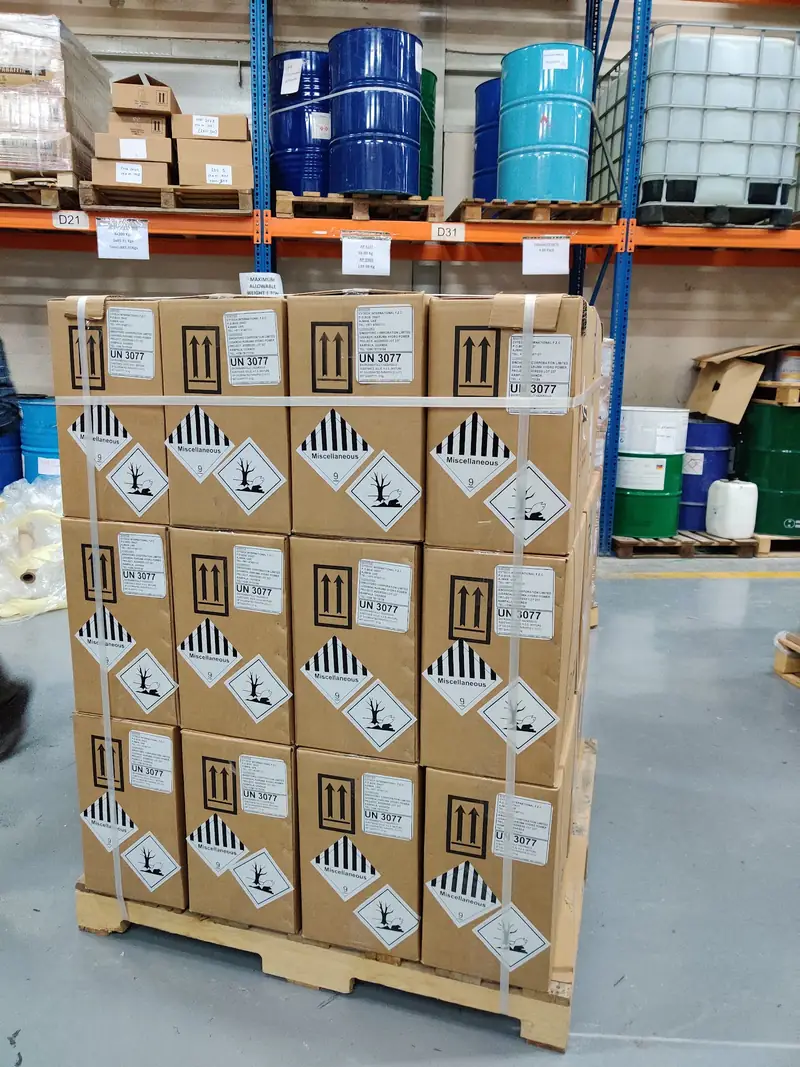
Hazard labels and packing, on real cargo
Dangerous goods cartons from our own photos.
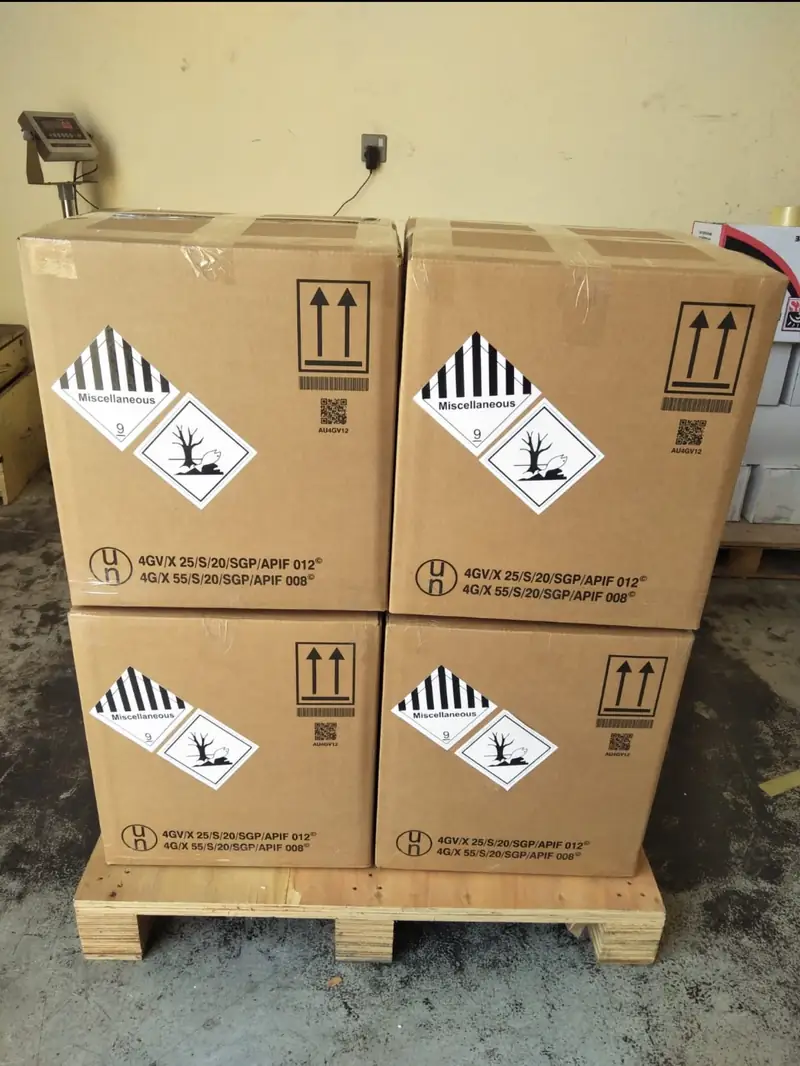
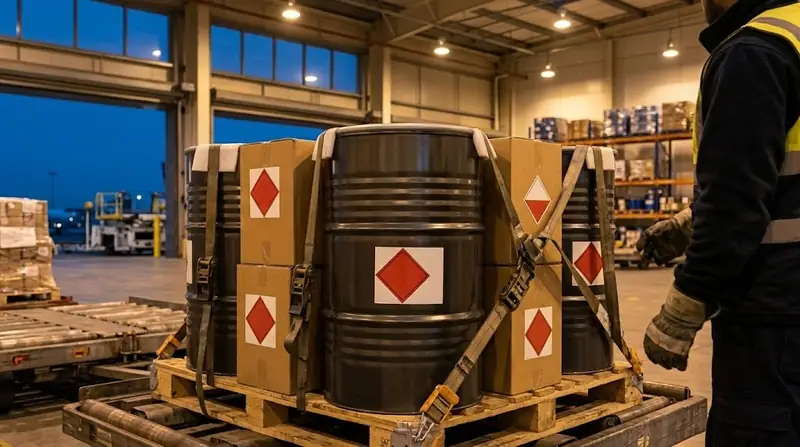
Class 9 cartons with hazard labelsPhoto: Airlift Logistics 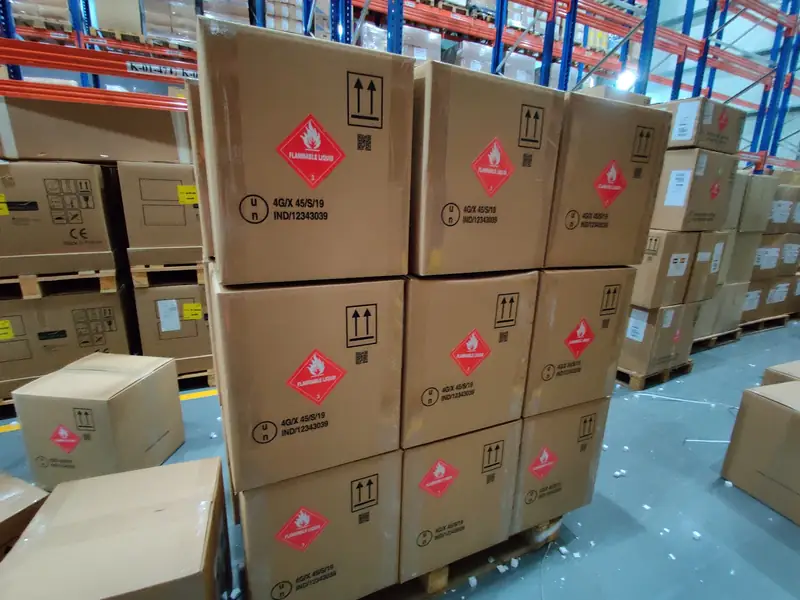
Cartons with flammable hazard labelsPhoto: Airlift Logistics 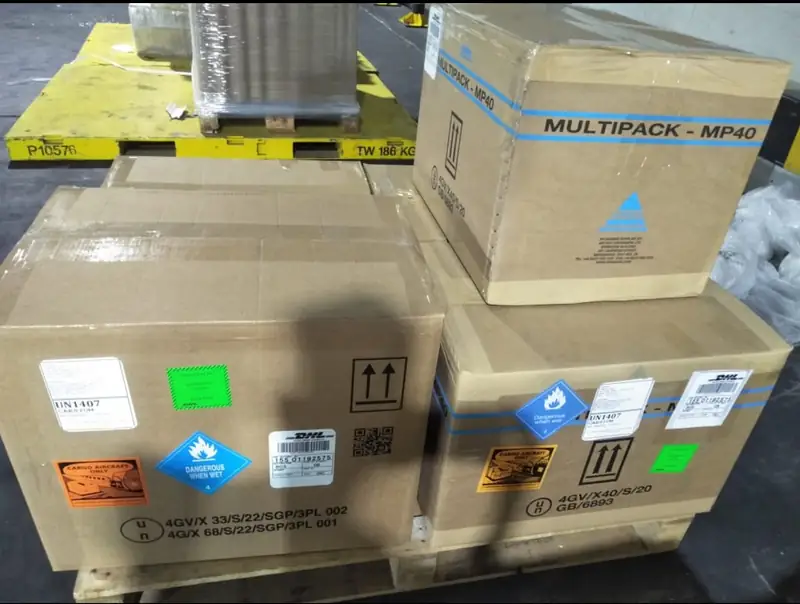
Cartons with several hazard labelsPhoto: Airlift Logistics
What goes into a dangerous goods price
DG cargo costs more than general cargo because of the extra checks and handling involved.
- 01
Lane and carrier, as with general cargo.
- 02
A carrier fee for handling hazardous cargo.
- 03
Approved packing, labels and hazard marks.
- 04
Prepared by trained staff, per shipment.
- 05
Carrier and regulator checks before loading.
- 06
Compliant handling before departure.
DG shipping questions, answered
Last updated ·
See all shipping questionsOfficial sources
IATA DGRIMO: IMDG CodeGCAAFANRSIRA
Many dangerous goods can fly, but within strict limits. The IATA Dangerous Goods Regulations list each item by UN number, with the permitted quantity and packaging for passenger and cargo aircraft. Some items can only travel on cargo aircraft, and others are forbidden entirely. Your safety data sheet shows the UN number to check.
- Section 14 of the safety data sheet lists transport information.
- Lithium ion batteries shipped alone (UN3480) are limited to 30% state of charge unless approved.
- Most toxic gases (Division 2.3) and many explosives cannot fly.
Dangerous goods are items that can cause harm during transport. They are articles or substances that pose a hazard to health, safety, property or the environment, and are listed or classified under transport regulations. Examples include perfume, paint, aerosols, lithium batteries and many chemicals. They need correct classification, packaging, labels and documents before shipping.
- There are 9 hazard classes under the UN system.
- Each substance has a four-digit UN number, such as UN1263 for paint.
- Air rules come from IATA, and sea rules from the IMO.
Yes, the two terms describe essentially the same thing. DG is the term used in international air and sea rules from IATA and the IMO. Hazmat, short for hazardous materials, is mainly a US regulatory term. In Dubai, you may hear DG cargo, hazardous cargo and hazmat used interchangeably.
- US hazmat rules are in 49 CFR.
- International air rules are in the IATA DGR.
- International sea rules are in the IMDG Code.
Check the safety data sheet and the product label. Section 14 of the safety data sheet shows transport information, including any UN number, class and packing group. GHS hazard pictograms on the label or sheet are another signal to check. If you are unsure, send the sheet to your forwarder before you book the shipment.
- The sheet may be called an MSDS or an SDS.
- Everyday products such as perfume and batteries can be regulated.
- Hidden hazards can sit inside machinery or spare parts.
You usually need a Shipper's Declaration and a safety data sheet. These go with the standard air waybill, commercial invoice and packing list. The declaration states the UN number, proper shipping name, class, packing group and quantity. Some small-quantity and lithium battery shipments have different requirements, so check the rules for your specific product before booking.
- The air waybill must show that the shipment contains dangerous goods.
- Radioactive material and some other goods need added approvals.
- Details on every document must match the package.
Yes, lithium batteries can fly if they meet IATA rules. The rules depend on battery chemistry, watt-hour rating, quantity, and whether the batteries are packed alone, with equipment or inside equipment. Lithium ion batteries shipped alone must generally be at no more than 30% state of charge. Damaged or defective batteries face much stricter limits.
- Lithium ion: UN3480 alone, UN3481 with or in equipment.
- Lithium metal: UN3090 alone, UN3091 with or in equipment.
- The cells need to have passed UN 38.3 testing.
Yes, most alcohol-based perfume is classed as dangerous goods. It usually ships as UN1266, perfumery products, in Class 3 for flammable liquids. Shipments generally need suitable packaging, hazard labels, a safety data sheet and a Shipper's Declaration. Small quantities may qualify for reduced requirements. The exact rules depend on the formula, pack size and airline accepting it.
- Class 3 covers liquids with a flash point of 60 °C or lower.
- Limited quantity packing instructions start with Y.
- Send one safety data sheet for each fragrance formula where they differ.
A DG surcharge is an extra charge for hazardous cargo. Airlines and forwarders apply it to cover additional handling, acceptance checks and paperwork. The amount varies by carrier, hazard class, quantity and route, so there is no standard rate. Ask for DG costs as a separate line in your quote, so you can compare options fairly.
- UN-specification packaging can be a separate cost.
- Cargo aircraft only (CAO) goods may have fewer flight options.
- Airlift Logistics shows charges upfront in its quotes.
The General Civil Aviation Authority (GCAA) regulates DG air cargo in the UAE. Its rules are in Civil Aviation Regulations Part VI, Transport of Dangerous Goods by Air, which also covers training. Shippers and forwarders follow these together with the IATA Dangerous Goods Regulations. Ask any forwarder you use to show its current DG certificates.
- The IATA DGR 67th edition applies from 1 January 2026.
- Radioactive material also involves the Federal Authority for Nuclear Regulation (FANR).
- Check for the latest GCAA revision, as rules are updated.
Both let small amounts ship under reduced rules, but with different limits. Excepted quantity covers very small amounts, using codes E1 to E5, and has the lightest requirements. Limited quantity allows larger amounts, using packing instructions that start with Y by air. Eligibility depends on the UN number, so check the regulations for your exact product first.
- E0 means excepted quantity is not permitted.
- Packaging and marking rules still apply to both.
- Airlines can set stricter limits than the regulations.
Yes, hazardous cargo can ship by sea from Dubai under the IMDG Code. Shipping lines must approve each booking, and the cargo needs a DG declaration and a container packing certificate. Stowage and segregation rules control where it sits on the ship. Air freight is Airlift Logistics' core DG service, so ask about sea options.
- IMDG Code Amendment 42-24 became mandatory on 1 January 2026.
- Jebel Ali Port is Dubai's main container port.
- Sea rules and air rules can set different limits for the same product.
Road transport of hazardous materials in Dubai generally needs a specific permit. Requirements can involve the Roads and Transport Authority (RTA), the Security Industry Regulatory Agency (SIRA) and Civil Defence, depending on the material and vehicle. Rules differ between emirates and on cross-border routes. Confirm the current requirements with the authority or your transport provider before moving any cargo.
- Cross-border GCC routes add customs and border requirements.
- Radioactive material also needs FANR licensing.
- Ask Airlift Logistics about your specific road route.
Airlift Logistics handles all 9 hazard classes. Whether a particular shipment can move still depends on its UN number, quantity, packaging, route and carrier acceptance. Some goods, especially in Classes 1 and 7, need added permits, and some cannot fly at all. Send the safety data sheet to check your specific cargo first.
- Class 3 includes perfume and paint.
- Class 9 includes lithium batteries and dry ice.
- Email data sheets to cs@airlift-logistics.com.
Often booked together
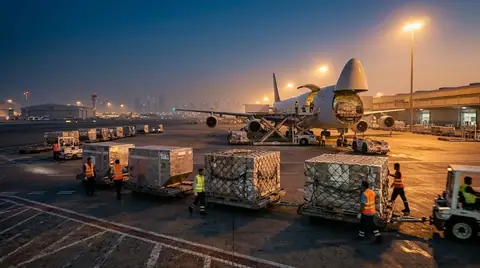
Air Freight
Import and export air cargo, with next-flight-out options.

Customs Clearance
Declarations, duty assessment and approvals.
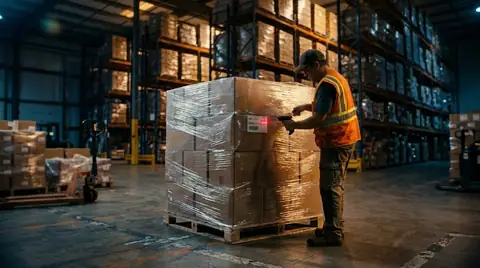
Warehousing
Flexible storage, inventory control and distribution.
Read: shipping perfume from DubaiShipping routes from Dubai
Dangerous goods handling is one part of what we do. Airlift Logistics is a shipping and logistics company in Dubai, with air cargo, sea freight, land transport, customs clearance and warehousing under one team.
About Airlift LogisticsContact our teamShipping FAQGet a quoteBlog